Dog Boarding in Netanya and the Surrounding Area: How to Choose the Ri
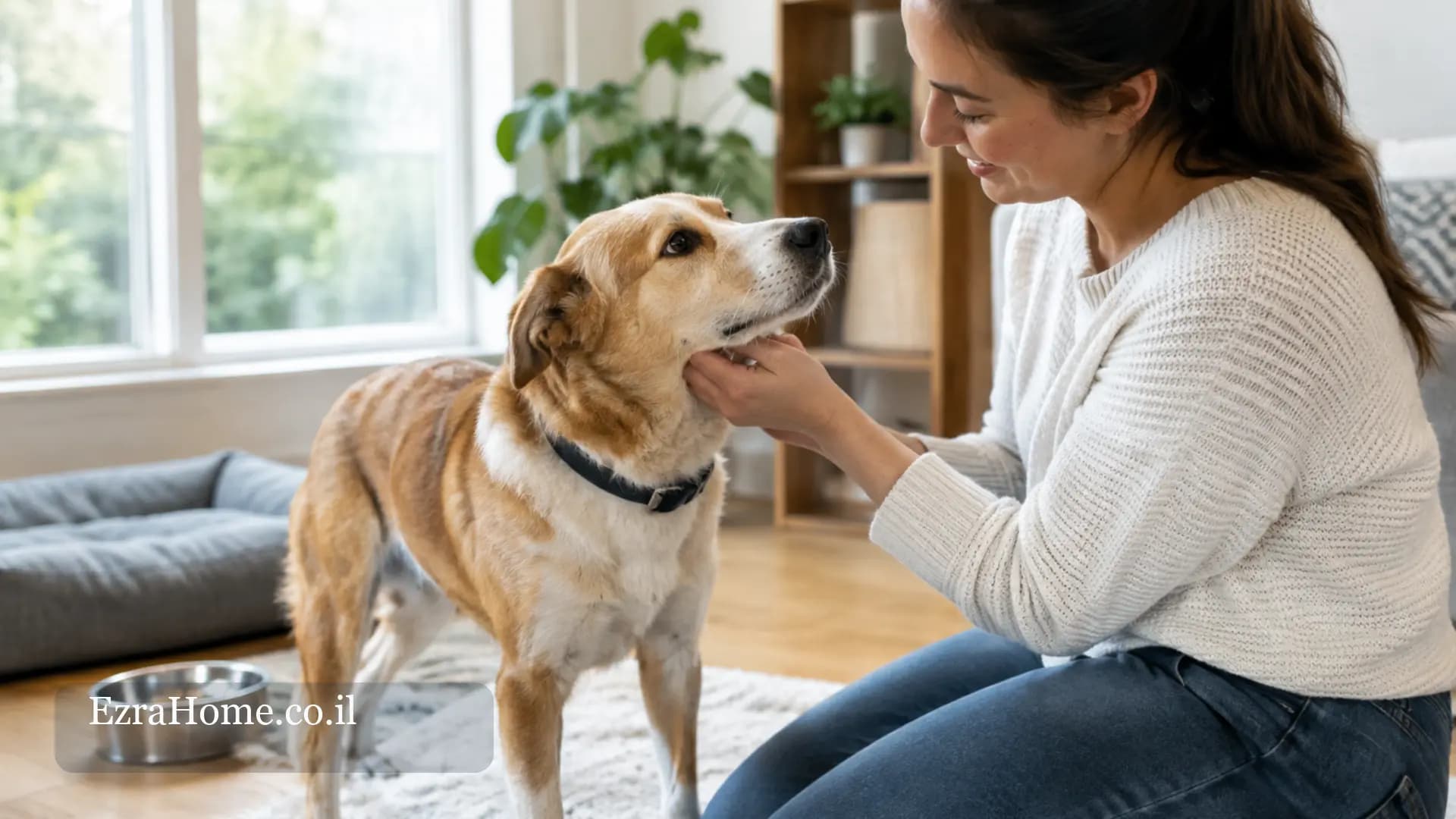
Looking for dog boarding in Netanya? Learn how to compare home boarding with a dedicated facility, check suitability, supervision and daily routines, find out w
To choose dog boarding in Netanya and the surrounding area, compare home boarding with a dedicated facility and check what suits your dog’s temperament, age, health and habits. Find out who will be responsible for your dog, what the stay’s daily routine looks like, what happens in an emergency and what updates you will receive. If possible, meet the caregiver and see the place in advance, provide complete information about your dog, and make sure the service terms are clear before booking.
What is dog boarding? Dog boarding is a service in which a dog stays under the supervision of a caregiver or at a dedicated facility for a set period. Options may include staying at the caregiver’s home or at a facility. Conditions, daily routines and supervision arrangements vary between providers, so it is important to find out exactly what each option includes.
- Choose a boarding arrangement that suits your dog’s temperament and individual needs, not just its location.
- Find out who will supervise your dog, where it will stay and what its daily routine will include.
- Ask in advance about introductions, updates, contact details and what happens in an emergency.
- Make sure the information you receive matches the conditions you can see for yourself.
What dog boarding options are available in Netanya and the surrounding area?
When looking for dog boarding in Netanya, you may come across two general options: home boarding at the caregiver’s home or a stay at a facility designed for boarding dogs. The difference is not just the building. With either option, it is important to understand who will be with your dog, how many animals may be staying there, how interactions between them are managed and how well the arrangement suits your dog’s routine. Do not assume that every provider offers the same conditions or level of supervision.
Home boarding may suit a dog that is comfortable in a home environment and around people and other animals, if there are any. A dedicated facility may offer a clearer division between different areas, but even there, you should find out how supervision works and what your dog will do during the day. These are factors to check, not guarantees about any particular service.
To start comparing options, ask each provider the same questions:
- Where will the dog sleep and rest, and will it have its own space?
- Who will be responsible for the dog during the day and at night, if relevant to the service?
- Is the dog likely to meet other dogs, and under what circumstances?
- What is included in the stay, and what should you bring from home?
Clear answers will help you assess whether an option suits your dog specifically, rather than simply being convenient in terms of travel or location.
How do you choose a boarding option that suits your dog’s temperament and needs?
Choosing dog boarding starts with knowing your dog. Age, activity level, sleeping habits, reactions to other dogs and ability to adjust to a new place may all affect the experience. A sociable dog that enjoys company may need a different arrangement from a dog that prefers quiet and personal space. A young dog, an older dog or a dog with medical needs may also require specific questions about the conditions and daily routine.
Prepare a straightforward description of your dog’s behavior and needs. Don’t settle for a general statement like “he gets along with everyone”: explain what actually happens when your dog meets other dogs, how it reacts to new people, whether it is startled by noises and what helps it calm down. Be sure to share information about food, walk times, medication or limitations, if applicable, and make sure the caregiver understands what is required.
Before choosing, consider the following questions:
- Is your dog used to being away from family members for periods of time?
- Do encounters with other dogs make your dog anxious or excited?
- Does your dog have regular habits that are important to maintain during the stay?
- Is special consideration needed because of your dog’s health, age or behavior?
If your dog is anxious, older or needs specific care, mention this in your first conversation. Ask the caregiver to explain what adjustments their service can accommodate. If they cannot give a clear answer about an important need, continue exploring other options rather than assuming things will work themselves out.
What should you check before booking dog boarding?
Before booking dog boarding in Netanya, it is worth clarifying the service details in a thorough conversation. Find out who will actually be responsible for your dog, whether that person will care for it throughout the stay and what happens if plans change. Ask what a typical day looks like: walk times, rest, meals, activities and interactions with other dogs. If a particular detail matters to your dog, ask about it directly rather than assuming it is included.
It is also worth asking about drop-off and pick-up arrangements, the possible length of the stay, what happens if you are late collecting your dog, and what items or documents you need to bring. Find out how the provider will contact you if your dog’s condition changes, who your contact person will be and what you should do if you need to pick up your dog early. If your dog has a sensitive medical or behavioral condition, explain it in advance and ask whether the caregiver can take responsibility for the needs you have described.
Write down the answers and compare them. You can use this short list of questions:
- Who supervises the dog, and during what hours?
- What is the daily routine, and where does the dog rest?
- How are interactions with other animals managed?
- How can you get in touch during the stay and in an emergency?
- What should you bring, and what are the drop-off and pick-up arrangements?
Organized answers help reduce misunderstandings, but it is important to make sure that everything promised is also suitable for your dog. If anything is unclear, ask for clarification before committing.
How can you assess the place and the caregiver?
Photos and recommendations can help you form an initial impression, but they do not replace direct inquiries. Ask whether you can visit the place or arrange an introductory conversation, and what you can see or learn during one. If a visit is possible, look at the area where your dog is expected to stay, the conditions for resting and how the caregiver describes the routine. Check whether the answers to your questions address your dog’s specific needs rather than relying on general assurances.
Pay attention to communication, too: does the caregiver listen to the information you share, ask follow-up questions and explain what is and is not their responsibility? It should be clear how interactions between dogs are handled, what happens if a dog seems stressed and how you will be informed about a change. A photo of a tidy area does not show how supervision is managed throughout the day; ask for a description of the process and find out which details you can verify.
If an introductory meeting or a short stay before a longer separation is offered, ask what it includes and whether it is suitable for your dog. After the meeting, pay attention to your dog’s reaction and to the information the caregiver provides. You can use the following checklist:
- Were the place and routine explained clearly and consistently?
- Did the caregiver ask about your dog’s habits and needs?
- Do you know whom to contact if you have a question or something changes?
- Are there any details you cannot verify or understand?
A positive impression is no guarantee of how every future experience will go, but a thoughtful assessment helps you make an informed decision rather than relying on impressions alone.
How can you prepare your dog for a stay away from home?
Good preparation starts with sharing information, not just packing supplies. Write down what a typical day looks like for your dog: when it eats, how many times it goes out, how it asks to go out, where it usually rests and what helps it feel calm. Also describe behaviors the caregiver should know about, such as fear of noises, a tendency to run away or difficulty meeting other dogs. Focused information will help the caregiver know what to expect and avoid making assumptions.
Find out in advance what you need to bring and what is already provided as part of the boarding service. You may be asked to bring familiar food, a leash, contact details or an item your dog is used to, but do not assume that every place asks for the same things. If your dog takes medication or needs special instructions, provide clear directions and check that the caregiver can follow them. Specify whom to call if you cannot be reached.
On the day of drop-off, try to leave your dog with simple, precise instructions. Do not withhold information that could affect its care, even if you are concerned it may complicate the arrangements. You can prepare a sheet that includes:
- Your dog’s details, habits, diet and special needs.
- Your contact details and those of an additional contact person, if needed.
- Instructions about medication, if applicable, as agreed with the caregiver.
- A list of the items you agreed to bring in advance.
If an introductory meeting is possible, tell the caregiver how your dog reacts to separation and new surroundings. Preparation cannot guarantee that your dog will not experience changes, but it gives the caregiver a better foundation for maintaining a familiar routine.
What should you find out about communication during the stay?
Many owners want to know how their dog is adjusting, but the way updates are provided varies between service providers. Ask in advance whether you can receive messages or photos, how often and during what hours you can contact the caregiver. Find out what counts as a routine update, what changes they consider important to report and who will contact you in such cases. Do not assume that updates will be sent proactively or that you will receive an immediate response unless this has been agreed.
It is especially important to agree on what to do if you cannot be reached. Provide a phone number where you can be reached and the details of an additional contact person, if that works for you and the provider. Find out who makes decisions if plans change and how an early pick-up, delay or additional need will be coordinated. If your dog has a medical condition that requires specific instructions, agree in advance on how the caregiver will act and what the limits of their responsibility are. These questions do not determine what the service must include; their purpose is to make sure you understand the actual arrangement.
Before leaving your dog, it is worth confirming the following details:
- What means of communication will be used?
- During what hours can you contact the caregiver?
- Who will update you if your dog’s condition changes?
- What happens if you are unavailable by phone?
A brief, clear summary of what you have agreed can prevent misunderstandings, especially when other family members are involved in the arrangements. Set the frequency of updates according to your expectations, and make sure the provider agrees to them as well.
How do you compare options in the Netanya area?
To compare home dog boarding in Netanya with a dedicated facility, use the same criteria for each option. Do not settle for asking “which is better,” because the answer depends on your dog’s temperament and the conditions of the specific service. A place close to home may make drop-off easier, but that alone does not indicate how suitable it is. A photo or recommendation is not a substitute for finding out who supervises your dog and what happens during the stay.
Fill in the table after speaking with the provider and, if possible, after seeing the place for yourself. In the notes column, write down specific answers or mark what is still unclear. This comparison makes it easier to see how the options differ and what requires further clarification, without assuming that every service includes the same conditions.
| Topic to check | Home boarding | Dedicated facility | What to ask about each option |
|---|---|---|---|
| Type of environment | The caregiver’s home | A place designed for boarding | Where the dog stays, eats and rests |
| Type of supervision | Depends on the specific arrangement | Depends on the specific arrangement | Who is responsible for the dog and during what hours |
| Suitability for the dog | May suit a dog that is comfortable in a home environment | May suit a dog that adjusts to a dedicated facility | How age, temperament and special needs are taken into account |
| Daily routine | Ask the caregiver | Ask the service provider | Walks, rest, food and interactions |
| Information to clarify in advance | Conditions vary between caregivers | Conditions vary between facilities | What to bring, how to get in touch and what happens if things change |
If you still have questions about something important to your dog, ask for an answer before choosing. You can also look into pet care options in the area, but make sure the specific service is suitable for the stay you need and is not simply a different type of care.
Frequently Asked Questions
How do you choose dog boarding in Netanya?
Compare the type of boarding, supervision, daily routine and suitability for your dog’s needs. Find out who will care for your dog, where it will stay and what happens if plans change or a medical need arises. Ask for clear answers, and do not rely only on photos or recommendations. If a particular detail matters to your dog, make sure it is discussed explicitly before booking.
What is the difference between home boarding and a facility?
Home boarding takes place at the caregiver’s home, while a boarding facility is a dedicated setting for hosting dogs. The environment, supervision, number of animals and daily routine may vary between providers, so do not assume that every option offers the same conditions. Ask where your dog will stay, who will be with it and how the boarding arrangement suits its temperament and habits.
Is it a good idea to introduce your dog to the place before the stay?
Ask whether an introductory meeting or trial stay is possible and what each option involves. A meeting may give you a chance to assess the environment and communication with the caregiver, as well as see how your dog responds. It cannot guarantee what a longer stay will be like, so it is also important to ask about the daily routine and how the caregiver will respond if your dog has difficulty adjusting.
What information should you give the caregiver before bringing your dog?
Share relevant information about your dog’s habits, diet, behavior, special needs and emergency contact details. If your dog takes medication or has health-related instructions, describe them clearly and check that the caregiver can follow them. Find out in advance what to bring, as providers do not all ask for the same items or provide the same conditions.
How can you tell whether a boarding option is suitable for an anxious or older dog?
Describe your dog’s condition and what helps it feel safe, and ask what adjustments the service can accommodate. Find out whether you can see the place in advance and whether there is a way to meet the caregiver before the stay. It is important to get a practical answer about your dog’s specific needs rather than settle for a general assurance that the dog will “be fine.”
When should you book dog boarding, and can you get updates?
Ask the provider about availability as early as possible, especially if you have specific dates, and do not assume there will be a space available. During the same conversation, ask whether updates are sent during the stay, how often and through which means of communication. Also agree on whom to contact if something changes, so that you and the caregiver have clear expectations in advance.
The information in this article is intended to help you compare options and ask service providers questions; it does not verify the conditions of any specific boarding service. Updated: October 8, 2026. Since boarding conditions vary between providers, confirm the details directly before booking.
Looking for suitable help caring for your pet? Explore the services on EzraHome, compare options and find out directly what suits your needs and your dog’s.
Be one of the first EzraHome specialists
EzraHome is launching a modern marketplace for home specialists. Create a professional profile and describe your experience, services, languages and working areas. Clients will be able to find you in the app and message you in the chat.
EzraHome is a platform: you set your services, area and schedule yourself.